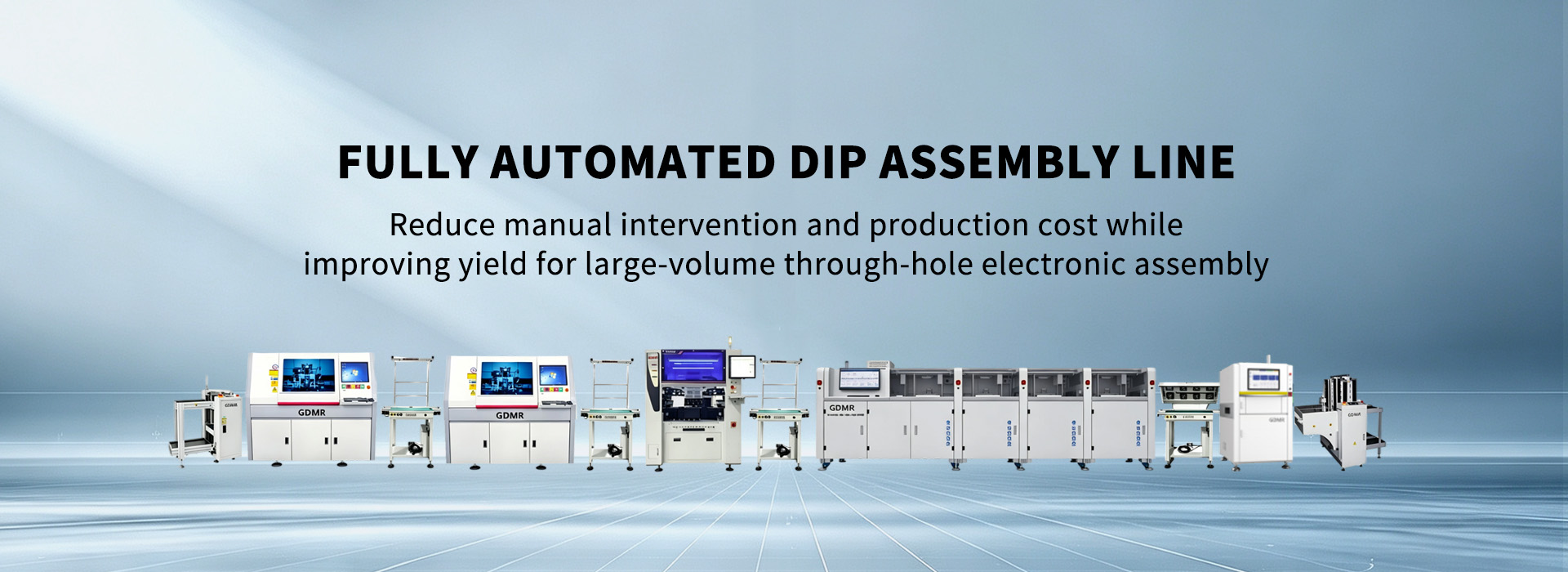
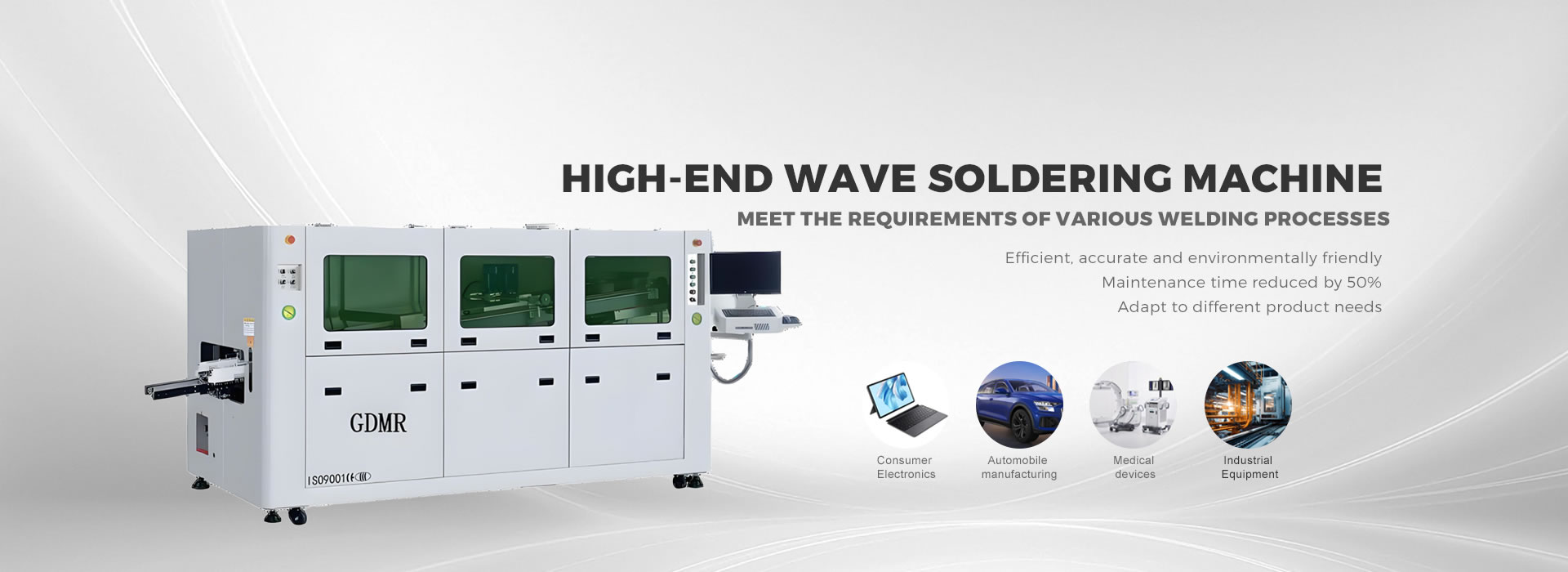
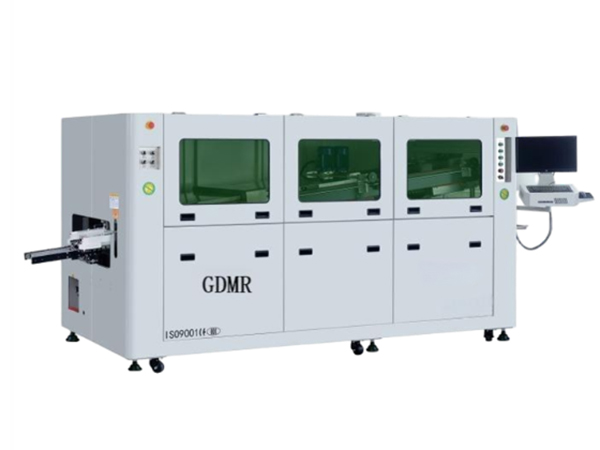
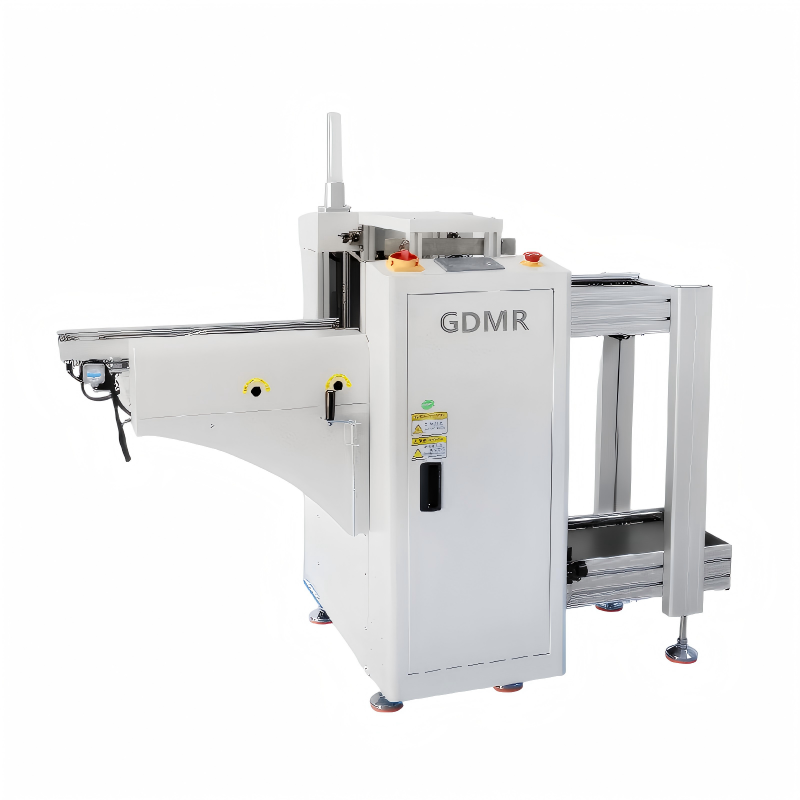
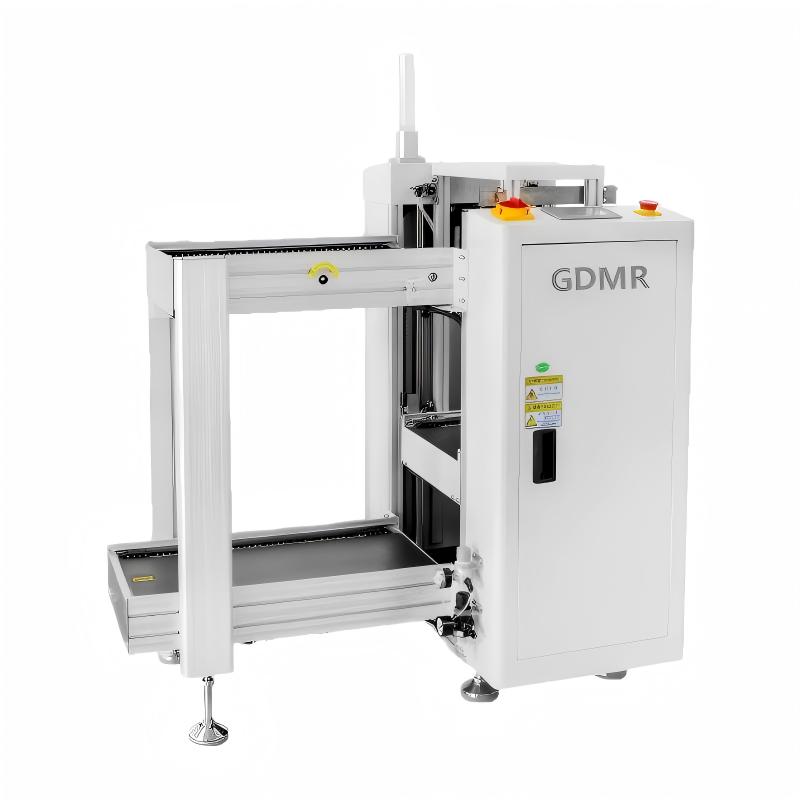
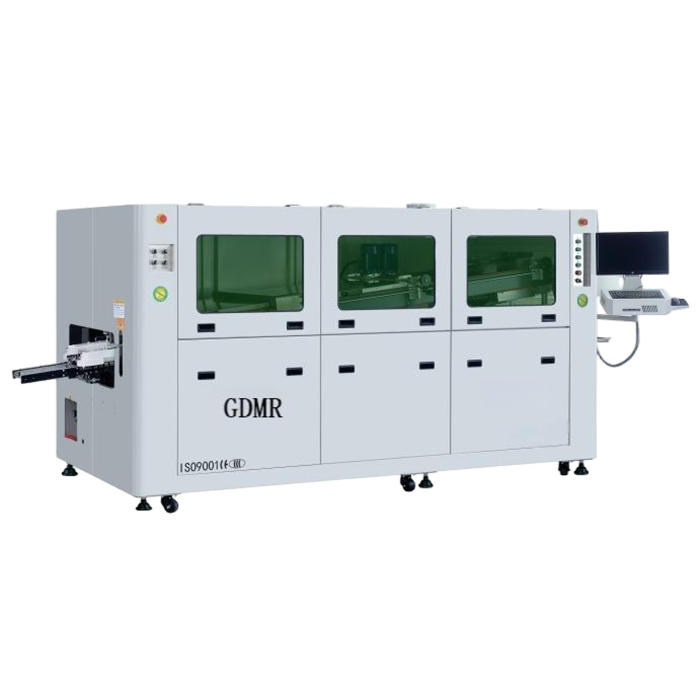
When many electronics manufacturing enterprises select through-hole soldering solutions, they compare selective wave soldering with traditional wave soldering. Traditional wave soldering is suitable for full-board through-hole insertion and large-batch single-variety production. The entire circuit board passes through the solder wave. For mixed-assembly boards...
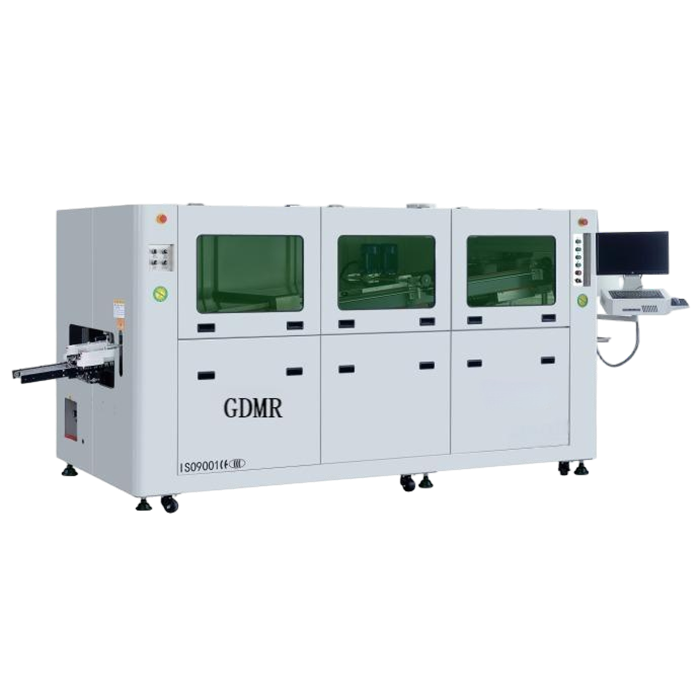
Selective wave soldering (selective soldering) is precision soldering equipment for SMT+THT mixed-assembly circuit boards. Unlike traditional wave soldering, which immerses the entire board in solder, it uses fixed-point local soldering, applying flux, preheating, and completing solder wave soldering only on the through-hole pins that need to be soldered...
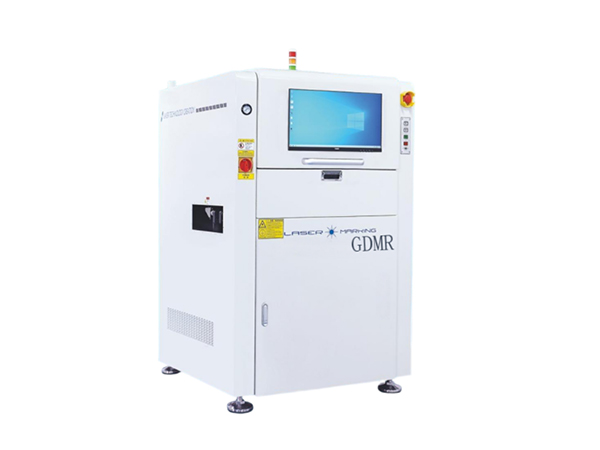
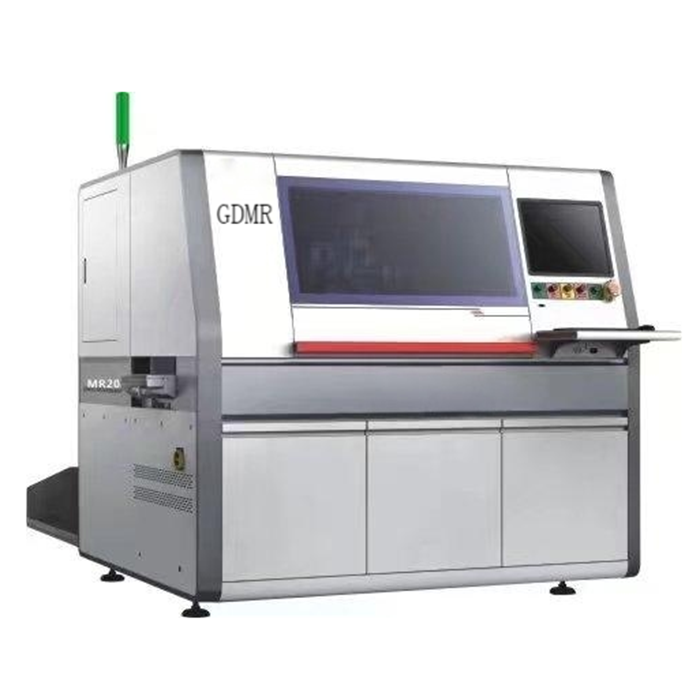
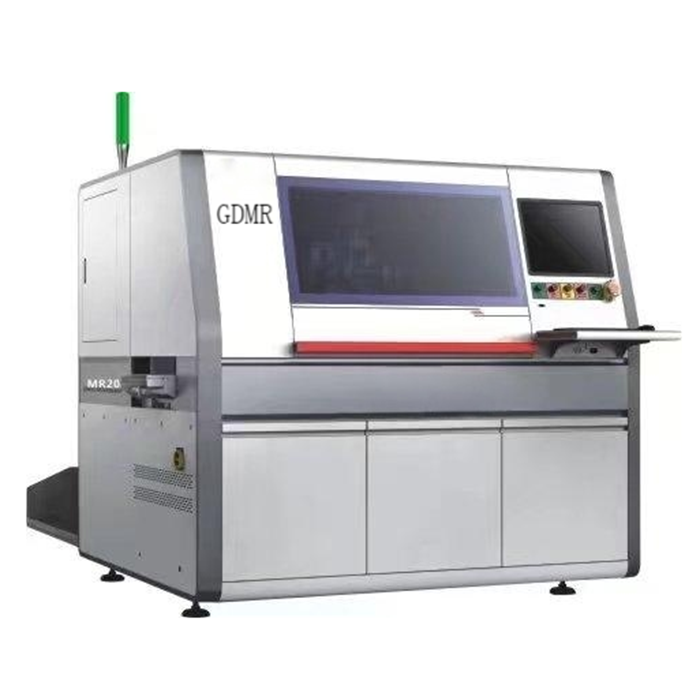
PCB laser marking machines are commonly classified into UV (355nm) laser marking machines and fiber laser marking machines, and there are significant differences in their principles and application scenarios. UV laser is a cold processing method
With the continuous advancement of global environmental protection regulations, RoHS, REACH, and other environmental standards have become the basic threshold for electronic product exports. Lead-free soldering has become the standard for most foreign trade orders. Lead-free solder h
Solder dross consumption accounts for one of the major operating costs of wave soldering lines. Solder dross forms due to continuous oxidation of molten solder when exposed to air.
PCB laser marking is a non-contact permanent marking process. It has become the mainstream marking solution in the global electronics manufacturing industry, and is widely applied to substrates such as FR4 rigid boards, FPC flexible circuit boards, aluminum substrates and HDI high-density boards.
The soldering quality of wave soldering is collectively determined by five core parameters: flux spraying, preheating profile, solder pot temperature, conveyor speed, and solder wave height. Improper matching of these parameters can easily lead to quality issues such as poor through-hole wetting, component heat damage, solder balls, and bridging.
As the core process equipment for mass soldering of through-hole components, wave soldering machines have long played a vital role in electronic assembly lines worldwide. They are widely used in the production of power boards, industrial control boards, home appliance motherboards, automotive electronics, LED driver boards, communication modules, and other products. They are capable of soldering THT plug-in boards as well as SMT + plug-in hybrid PCBs.
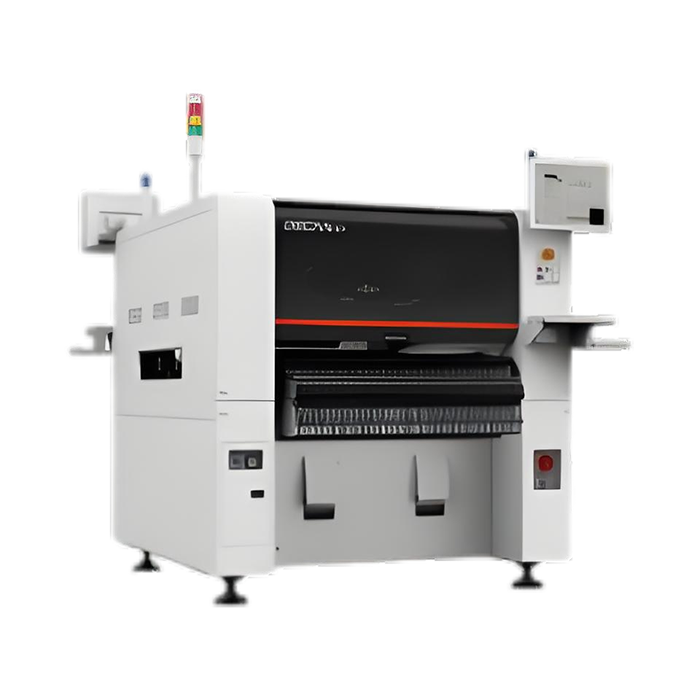
Market competition among electronics factories is intensifying. Cost reduction, quality improvement and efficiency enhancement have become operational priorities. The placement yield, production efficiency and failure rate of SMT mounters exert a direct impact on PCB finished‑product quality and enterprise production costs.
Many electronics manufacturers tend to only compare equipment prices when purchasing SMT mounters, while overlooking their own product and process requirements. After procurement, problems such as insufficient placement accuracy, cumbersome product changeover, failure to recognize certain components, and frequent malfunctions may occur.
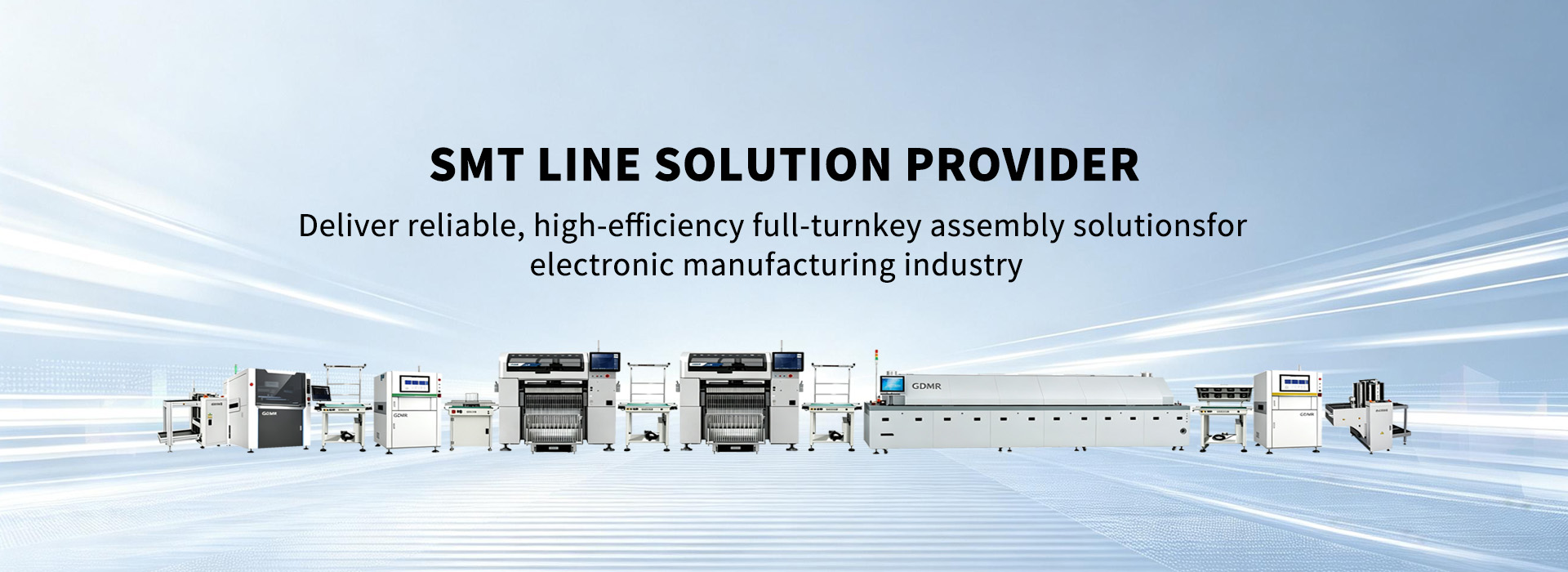
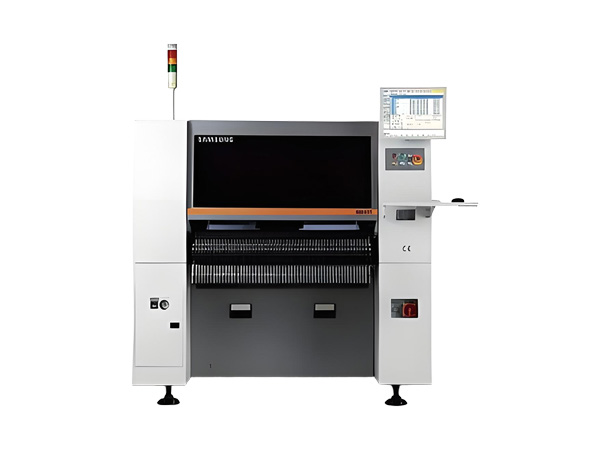
The surface mount machine is the core automated equipment in the SMT production line, mainly achieving high-speed and precise placement of various electronic components such as resistors, capacitors, chips, diodes, connectors, etc. The size, type and production batch of components for different industries vary greatly. An adaptable surface mount machine can meet the production
The global electronic manufacturing industry is currently experiencing an intelligent and large-scale upgrade wave. The overseas downstream markets such as consumer electronics, new energy vehicles, industrial control, smart home appliances, and the Internet of Things continue to expand, driving the comprehensive iteration and upgrade of SMT surface mounting technology. As the core core equipment of the entire SMT production line, the accuracy, stability, and production efficiency of the surface mounters directly determine the production capacity and product yield of electronic manufacturing enterprises, and are the core essential equipment for the automation upgrade of overseas electronic factories...
Total29
Total page count3 |
Current page1
9Page 1
7Previous page
Next page8
Last page:
Jump