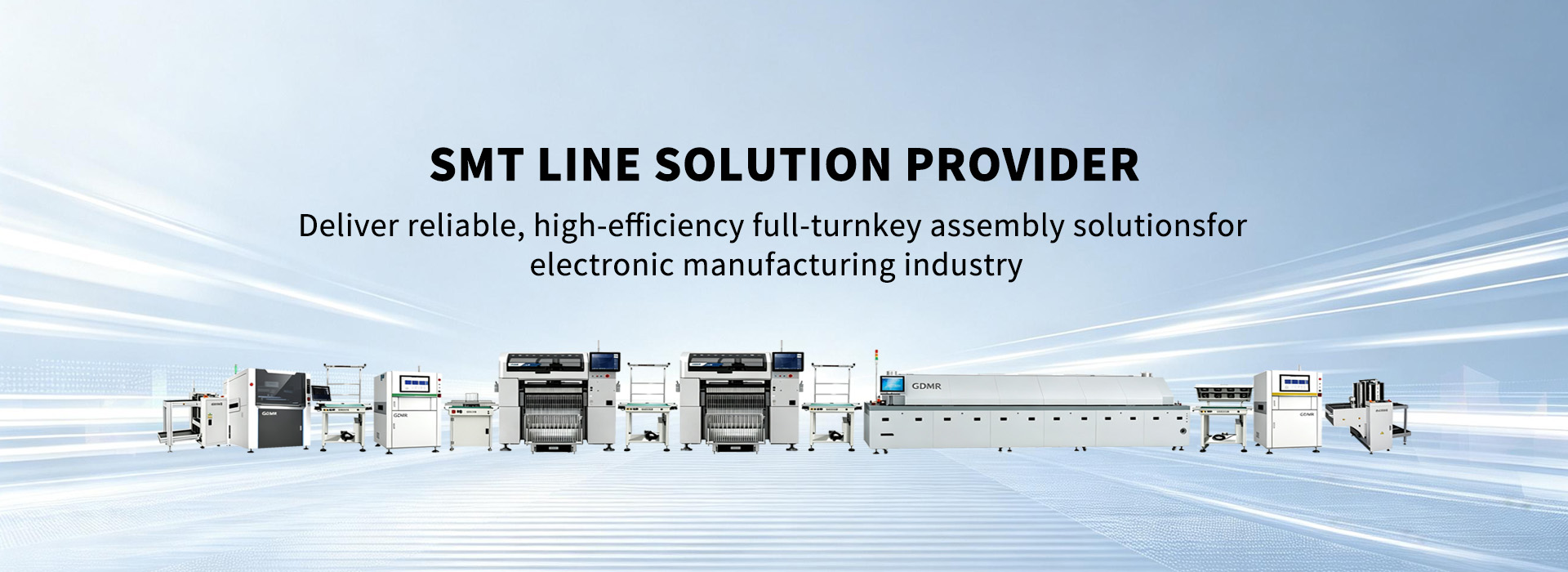
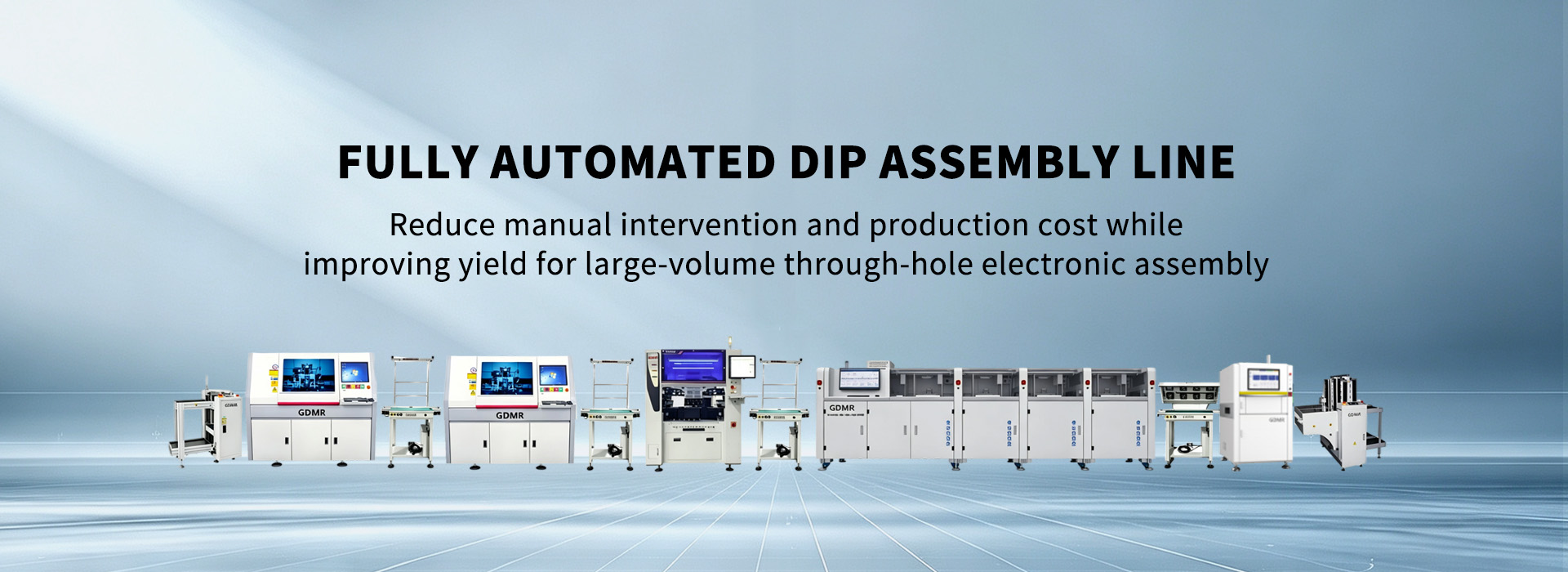
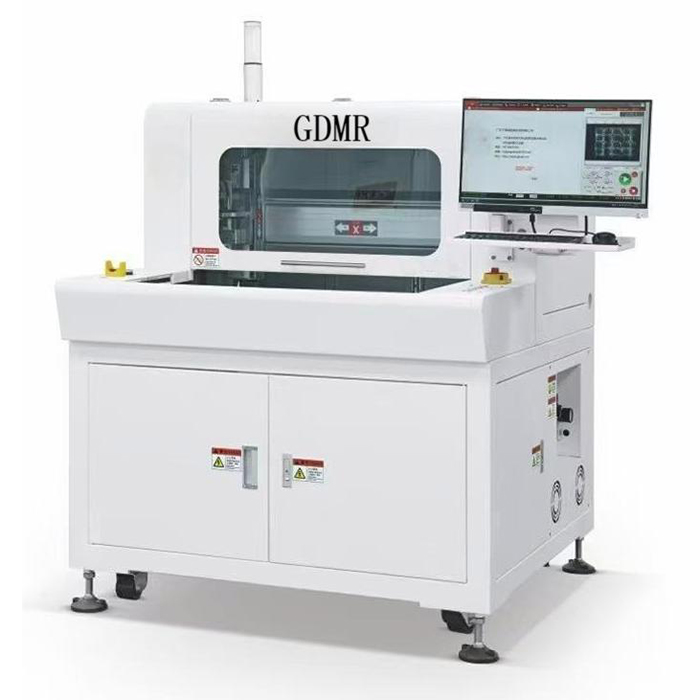
DIP (Dual In Line Package) production line equipment is mainly used for the assembly of electronic components using traditional through-hole insertion technology. Its characteristics are reflected in multiple dimensions such as technical foundation, equipment composition, production mode, cost structure, and industry applications. The following is a detailed analysis of the characteristics of DIP production line equipment
1、 Technical foundation: THT as the core
Pin penetration through PCB
DIP components are inserted into PCB through holes through pins and fixed by wave soldering or manual soldering, forming a mechanical and electrical dual connection. This structure has higher reliability in vibration and impact environments, and is suitable for fields such as military, aerospace, etc. that require strict stability.
Component characteristic adaptation
High power devices such as transformers, relays, high current connectors, etc., DIP packaging provides better heat dissipation paths and current carrying capacity.
High mechanical stress scenario: Pin penetration design can resist tensile and shear forces, avoiding component detachment.
2、 Equipment composition: combination of semi-automatic and manual operation
Core equipment type
Plug in machine: a semi-automatic device that inserts DIP components into PCB through holes through vibration discs or tape feeding. The speed is usually 500-2000 components per hour, much lower than SMT surface mount machines.
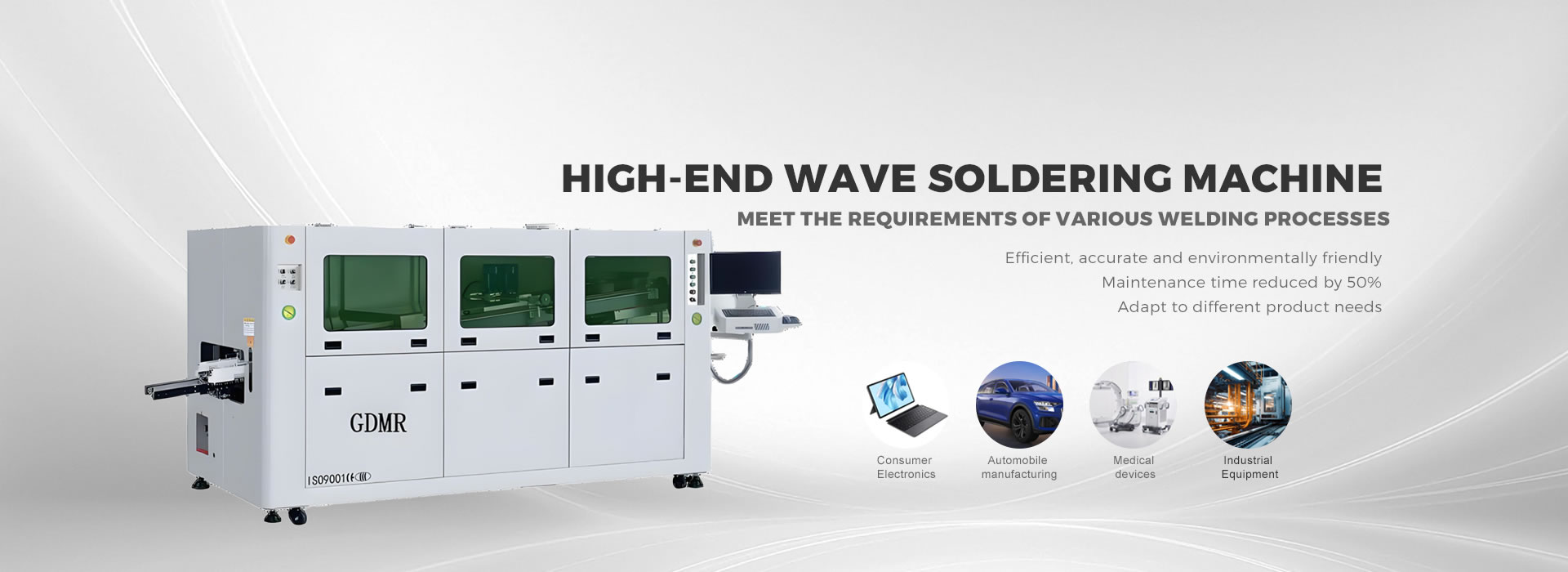
Wave soldering furnace: an automated welding equipment that completes through-hole filling by melting solder waves. Nitrogen protection can reduce oxidation and improve the quality of solder joints.
Trimming machine: Trim the length of the pins after welding to ensure compliance with design requirements.
ICT testing equipment: Online testers detect defects such as open circuits, short circuits, and component value deviations.
High human involvement
Alien components (such as non-standard connectors) require manual insertion, which affects the production pace due to the operator's skills.
The quality inspection process relies on visual inspection or sampling, and the risk of missed inspections is higher than the AOI full inspection of SMT.
3、 Production mode: suitable for multiple varieties and small batches
Flexibility in changing lines
The plug-in machine can quickly switch product models by replacing fixtures and adjusting feeders, with a typical line changing time of 1-2 hours, which is shorter than traditional THT production lines.
The parameters of the wave soldering furnace, such as preheating temperature and wave height, can be adjusted for different PCB thicknesses and component densities.
Batch management is complex
DIP components need to be managed by batch for pin length and coating thickness to avoid poor soldering caused by mixing.
Manual plugins are prone to introducing human errors and require standardized operating procedures (SOPs) to standardize operations.
4、 Cost structure: Low initial investment, high long-term operation
Equipment procurement cost
The price of plug-in machines is about one-third to one-half of that of SMT surface mount machines, and the cost of wave soldering furnaces is comparable to that of reflow soldering furnaces, but the overall production line investment is much lower than SMT.
Suitable for small and medium-sized enterprises with limited budgets or frequent product iterations.
operating cost
Labor cost: The plug-in line requires more operators (about 5-8 people per line), and labor costs account for 40% -60% of the total production line cost.
Material waste: Wave soldering is prone to defects such as bridging and solder tips, and the repair rate (usually 2% -5%) is higher than that of SMT by less than 0.5%.
Space occupancy: DIP components have a large volume, and PCBs need to reserve more insertion space, resulting in lower unit area production capacity than SMT.
5、 Product quality: Strong mechanical stability, but high defect rate
strengths
High reliability scenario: The mechanical interlocking between DIP pins and PCB through holes results in a lower failure rate than SMT BGA solder joints in vibration and impact environments.
High power application: The pins directly contact the PCB copper foil, and the heat dissipation efficiency is better than surface mount technology (SMT).
quality risk
Welding defects: Wave soldering is prone to virtual soldering and cold soldering, and requires X-ray inspection or slicing analysis for troubleshooting.
Pin damage: Manual insertion may cause pin bending and deformation, affecting electrical performance.
Consistency difference: Manual operation results in component position accuracy (± 0.5mm or more) lower than SMT's ± 0.1mm.
6、 Industry application: Adhering to traditional fields and meeting specific scenario requirements
Mainstream application areas
Industrial control: PLC, frequency converter and other equipment that need to withstand harsh environments.
Automotive electronics: components that require high reliability, such as engine control units (ECUs) and onboard sensors.
Power products: For scenarios where high-power devices such as switching power supplies and inverters are densely packed.
Supplement to emerging fields
IoT devices: Some sensors and relays still use DIP packaging, balancing cost and reliability.
DIY market: Electronics enthusiasts and education professionals prefer DIP components for easy manual soldering and debugging.
7、 Development trend: gradually replaced by SMT, but irreplaceable in specific scenarios
Technological substitution pressure
SMT occupies the consumer electronics market through miniaturization and high-density mounting, while DIP's share has been declining year by year.
Hybrid packaging technology (such as SMT+DIP) has become a transitional solution, but it increases assembly complexity.
non-substitutability
Extreme environment adaptation: DIP has better stability than SMT in a wide temperature range of -40 ℃ to 150 ℃ and high humidity (95% RH).
Repair convenience: DIP components can be manually replaced, suitable for scenarios with high after-sales maintenance needs.