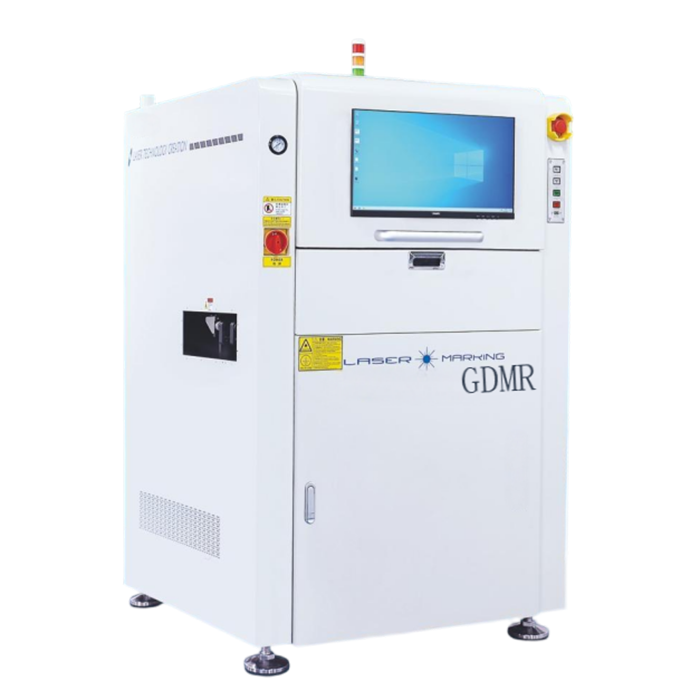
X-ray equipment must strictly comply with the following safety regulations during use, covering five core areas of operation, protection, environment, maintenance, and emergency management:
1、 Equipment operation specifications
Qualifications and Training
Operators need to pass professional assessments, obtain radiation safety training certificates and equipment operation permits, and receive regular refresher training.
Unauthorized personnel are prohibited from operating the equipment, and industrial scenes require dedicated personnel to manage and use it.
Standard Operating Procedure (SOP)
Before starting: Check whether the equipment components (such as power supply, cables, protective doors) are intact, confirm that there is no one in the work area and that protective measures are in place.
During operation: when adjusting ray parameters (such as kV, mA), it is necessary to slowly boost the voltage, closely monitor the equipment status, and avoid excessive radiation dose.
After shutdown: Power off according to the instructions, check if the components are in a safe state, and do not directly plug in or unplug the power supply.
exception handling
When the radiation dose exceeds the standard, immediately stop the machine, cut off the power, evacuate personnel, and monitor the radiation level according to the procedure.
When equipment malfunctions or leaks, set up warning signs, prohibit non professionals from approaching, and notify maintenance personnel.
2、 Personnel safety protection
protective equipment
Operators must wear lead containing protective clothing, goggles, gloves, personal dosimeters, and alarm devices.
Medical scenarios require the use of lead shielding covers for sensitive areas of patients, such as the thyroid and gonads.
health management
Conduct a comprehensive physical examination before starting work and at least once a year, with a focus on radiation sensitive organs.
Establish occupational health records, record physical examination and dose monitoring results, and regularly screen for occupational diseases for long-term contacts.
Time and distance control
Following the principle of "shorter time, farther distance", reduce exposure time and increase distance from the radiation source.
In medical examinations, patients need to follow instructions and cooperate with breathing movements to avoid repeated exposure.
3、 Environmental safety management
Radiation shielding design
The computer room needs to use high-density materials (such as lead and concrete) to construct shielding structures (such as lead rooms and lead walls) to ensure that the dose is within a safe range.
When calculating the shielding thickness, X-ray energy and radiation dose need to be considered.
Warning signs and site clearance
Set up warning signs such as "X-ray Danger" and "No Entry" in prominent locations around the equipment to clarify the hazards and emergency measures.
Clean up the site before operation to ensure that no unrelated personnel are stranded; The accompanying inspector should stay away from the radiation source and wear protective equipment.
Temperature and Humidity Control
Maintain a temperature of 15 ℃ -25 ℃ and humidity of 40% -60% in the computer room to avoid equipment overheating or condensation.
Medical CT equipment needs to maintain a temperature of 20 ℃ -28 ℃ and a humidity of 30% -70% (without condensation).
4、 Equipment maintenance and calibration
routine inspection
Check the power supply, cables, plugs, and grounding status daily to ensure the stability of the electrical system.
Regularly inspect mechanical components such as rollers and conveyor belts for looseness or wear, and promptly tighten or replace them.
regular maintenance
Clean the dust inside and outside the equipment, lubricate mechanical components, and tighten screws to prevent loosening.
Regularly check the condition of the X-ray tube and replace aging or damaged components.
Calibration and Recording
Calibrate equipment according to national or industry standards to ensure measurement accuracy.
Record calibration time, personnel, errors, and other data, and establish equipment files (including purchase, maintenance, and testing records).
5、 Emergency management mechanism
Emergency response to radiation leakage
Immediately shut down, cut off power, evacuate personnel, seal off the scene, and monitor radiation dose.
Emergency personnel are required to wear protective equipment such as lead clothing, lead hats, and lead gloves.
Accident reporting and tracing
After discovering a leak, immediately report to the equipment manager and radiation protection manager, and fill out the accident report form.
Organize experts to investigate the cause of the accident, confirm responsibility, and establish a traceability system.
emergency drill
Develop a drill plan that clearly defines the objectives, content, timeline, and participants.
Practice according to the plan, evaluate the process and improve it, record the process and results.