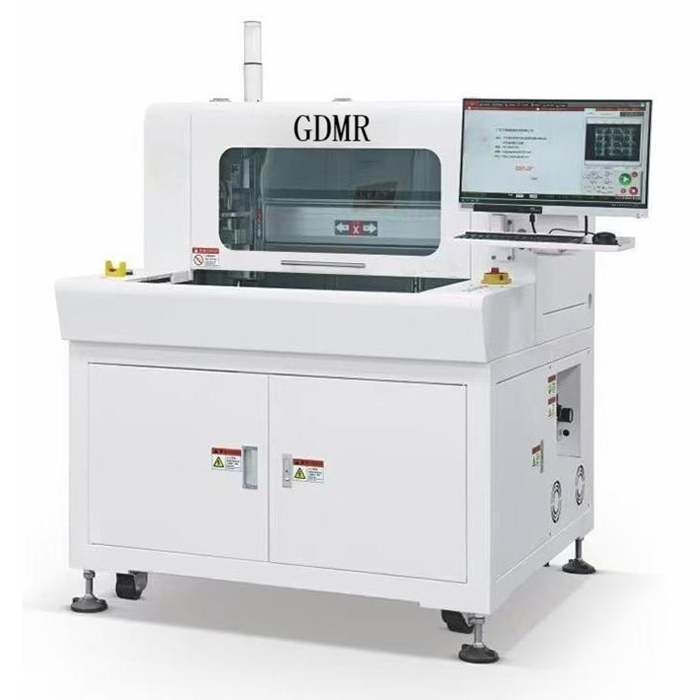
The safety protection of X-ray equipment needs to be systematically promoted from the aspects of shielding design, time and distance control, warning signs, personal protection, and environmental management; The fault handling should follow the standardized process of cutting off power, evacuating personnel, professional maintenance, and recording and reporting. Here are specific instructions:
1、 Safety protection of X-ray equipment
1. Shielding and protection design
Computer room shielding: The computer room needs to use high-density materials (such as lead plates and concrete) to construct a shielding structure, ensuring that the radiation leakage dose is below the national limit (such as public areas ≤ 0.25 μ Sv/h).
When calculating the shielding thickness, X-ray energy and radiation dose need to be considered. For example, 75kV equipment requires ≥ 1mm lead equivalent, and 400kV equipment requires ≥ 12mm lead equivalent.
Optimize the size of the observation window to 300mm × 450mm to reduce the risk of leakage.
Inherent protection of equipment: X-ray machines must have inherent safety performance, such as tube sleeves and sunshades that do not leak radiation, windows equipped with aluminum filtering plates, and air exposure rates for useful wire harnesses entering the patient's skin should be less than 6R/min.
2. Time and distance control
Time protection:
Shorten the radiation time, control the exposure of a single examination within 3 minutes, and ensure that the cumulative exposure time for interventional surgery does not exceed 30 minutes.
Optimize the projection conditions to avoid repeated exposure.
Distance protection:
The radiation dose is inversely proportional to the square of the distance, and for every doubling of the distance between the operator and the radiation source, the dose decreases by 75%.
During perspective exposure, except for the surgeon and primary assistant, other personnel should stay away from the radiation source.
3. Warning signs and site clearance
Warning signs: Ionizing radiation warning signs (yellow background with black edges and triangles) should be installed outside the computer room door, and work status indicator lights (such as "harmful radiation, do not enter when lights are on") should be installed above the door.
Clearance management:
The examinee should not wait for treatment in the computer room, and accompanying examinees should not be detained unless under special circumstances.
The workplace of vehicle mounted equipment should avoid personnel stopping routes, and warning signs should be set up at the boundary of temporary control areas.
4. Personal protective equipment
Operators must wear lead containing protective clothing (≥ 0.25mm lead equivalent), lead aprons, lead caps, lead goggles, and lead gloves, as well as personal dosimeters (monthly cumulative ≤ 1mSv) and alarm devices.
Patient: Use lead shielding for sensitive areas (such as thyroid and gonads), and cover non irradiated areas with lead products.
5. Environmental management
Temperature and humidity control: The temperature in the computer room should be maintained at 15 ℃ -25 ℃, with a humidity of 40% -60%, to avoid equipment overheating or condensation.
Ventilation: Install mechanical ventilation devices with a ventilation rate of ≥ 3 times per hour, and avoid the exhaust duct facing densely populated areas.